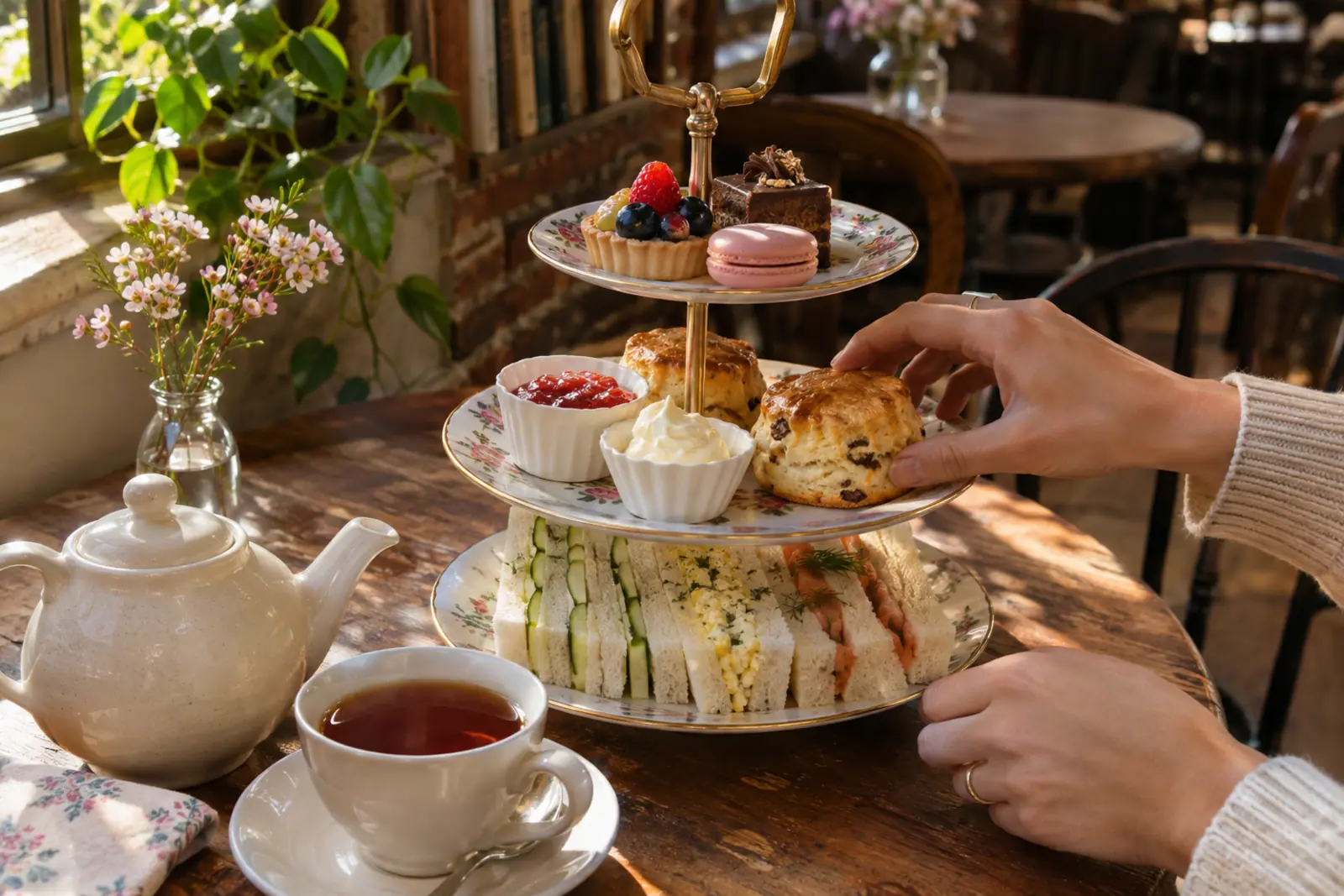
The question comes up constantly, usually from someone trying to plan an outing: what time is afternoon tea, exactly? The answer has a satisfying precision to it. Afternoon tea is served between roughly 3 p.m. and 5 p.m. - that is the window established by tradition and still observed by most venues that offer a formal sitting. If a place opens its afternoon tea service at 2:30 or runs it through 5:30, it is loosely following the convention while adapting to its own kitchen schedule and reservation flow.
That said, afternoon tea is frequently confused with other things. It gets conflated with brunch, with high tea, and with the kind of casual cup-of-tea-and-a-biscuit moment that many people simply call "having tea." None of those are the same thing. Understanding what afternoon tea actually is - the format, the food, the pacing, the expectations - helps explain why it has endured for nearly two centuries and why it has found a natural home in neighborhood tea houses far from the grand hotels where it was once most visible.
This guide covers the full picture: the time, the courses, how long a sitting runs, what to expect from venues in a borough like Brooklyn, and the practical questions most people are quietly wondering about before their first visit.
What Afternoon Tea Actually Is (and What It Is Not)
Afternoon tea is a specific, structured meal. It consists of multiple courses served together, typically on a tiered stand, and is designed to be eaten in the afternoon rather than as a replacement for lunch or dinner. The occasion has its own food, its own pacing, and its own social atmosphere. It is a meal in its own right, not a snack dressed up with a teapot.
The confusion with high tea is worth clearing up directly. High tea - which takes its name from the high dining table where working-class British families ate their evening meal - is a hearty supper: hot dishes, bread, pies, and strong brewed tea to wash it all down. It has nothing to do with elevated elegance or fine china. Afternoon tea, by contrast, was an aristocratic habit associated with drawing rooms and the long gap between a light lunch and a very late dinner. The two terms are so frequently swapped in American usage that many menus treat them as interchangeable, but classically they describe opposite ends of the social and culinary spectrum.
Afternoon tea is also not brunch. Brunch happens in the late morning to midday range and implies a mix of breakfast and lunch items. Afternoon tea happens specifically in the post-lunch, pre-dinner window. The food, while partly savory, is delicate rather than filling in a breakfast-plate way.
And afternoon tea is not simply a cup of tea with a snack alongside. The defining feature of afternoon tea as a meal is its structure: savory first, scones second, sweets last. That sequence is deliberate, and understanding it makes the experience considerably more pleasurable.
The Traditional Time Window: Why 3 to 5 P.M.
The 3-to-5 window traces back to Anna Russell, the Duchess of Bedford, who is widely credited with establishing the afternoon tea habit in England around 1840. The story goes that she experienced what she described as a "sinking feeling" in the late afternoon - well after lunch and hours before the fashionable late dinner - and began requesting tea and small cakes to be brought to her private rooms around four o'clock. She started inviting friends to join, the habit caught on among the aristocracy, and within a decade afternoon tea had become a fully established social institution.
The timing made practical sense for the Victorian upper class, who ate dinner as late as 8 or 9 p.m. A three-to-five-hour gap between a midday meal and a very late dinner created a genuine need for something in between - not a full meal, but enough to sustain people through the long afternoon. Tea, being stimulating and warming, was the natural anchor for the gathering.
As tearooms spread the custom across the middle class in the late 19th century, the time window settled in common practice to around 3 p.m. to 5 p.m. because earlier felt too close to lunch and later felt too close to dinner. That window has remained the standard. Most venues that offer a dedicated afternoon tea service start seating at 2:30 or 3 p.m. and stop taking tables by 4:30 or 5 p.m. A few extend to 6 p.m. if demand and kitchen capacity allow, but anything called afternoon tea served after 6 p.m. is stretching the definition considerably.
The practical implication: if you want afternoon tea at a specific place, check whether they require a reservation at a set time slot or offer open seating during the service window. Many dedicated tea venues book specific 90-minute or two-hour slots because the kitchen is producing the same tiered service simultaneously for multiple tables and needs to plan accordingly.
The Three Courses, Explained
The defining structure of afternoon tea is the tiered stand - typically three tiers, served all at once, eaten in a specific order. The courses are not plated one after another the way a dinner would be; instead, everything arrives together and you work your way through the stand. Convention dictates starting at the bottom and moving up, though the food police will not appear if you go in a different direction.
First Course: Finger Sandwiches
The bottom tier of the stand typically holds savory finger sandwiches. These are small, crustless, and precisely cut - either triangles or rectangles. The word "finger" refers to the size: they are designed to be eaten in one or two bites without cutlery, which makes them both elegant and practical for a social setting where conversation is as important as eating.
Classic fillings include cucumber and cream cheese (arguably the most iconic), smoked salmon and dill, egg salad, and some variation of chicken or ham. Quality venues rotate their sandwich selections seasonally and may offer gluten-free bread or plant-based fillings on request. The cucumber sandwich's endurance as a symbol of the form is a testament to how well a simple, well-executed combination can hold up over time.
The logic of sandwiches first is practical. You come to afternoon tea a few hours after lunch - genuinely a little hungry again, but not ravenous. Starting with something savory prevents the sugar crash that would come from starting with pastries and gives your appetite a stable foundation for the sweeter courses to come.
Second Course: Scones
The middle tier holds scones, almost always served warm, alongside clotted cream and preserves. The scone is the emotional and cultural centerpiece of afternoon tea - arguably more iconic than any other element of the meal.
Scones in this context are plain or fruit-studded (usually dried currants) and are denser and less sweet than American-style scones. They are designed to be split and loaded with cream and jam rather than eaten plain. The debate about whether cream or jam goes on the scone first is a genuinely contested cultural question in Britain - the Cornish put cream first, in Devon it is jam first - and has been going on for long enough that neither side is likely to concede. In a Brooklyn tea house, you can do whatever you like, in whatever order pleases you.
Clotted cream is thick, nearly solid cream with a fat content around 55 to 65 percent - richer than whipped cream, different in texture from butter, and unlike anything else. It is specifically the stuff of proper afternoon tea and worth seeking out at venues that source it correctly. Some places substitute whipped cream or butter when clotted cream is unavailable or cost-prohibitive; this is worth noting if the distinction matters to you.
Third Course: Pastries and Sweets
The top tier is the pastry and sweet course: miniature cakes, tarts, macarons, petit fours, choux buns, and other small confections. This is where individual bakery skill becomes most visible. A well-considered top tier balances flavors - something fruit-forward, something chocolate, something floral or delicate - and portions are small enough that you can taste several items without feeling overwhelmed by any single thing.
This is the dessert course, though afternoon tea as a whole is not classified as a dessert meal. The order of sweet at the end follows the same logic as any well-structured meal: savory grounds your appetite, the scone bridges, the sweets complete. Finishing with pastries on a full stomach and a warm pot of tea beside you is a specific and reliable form of contentment.
One note on quantity worth emphasizing: a full afternoon tea is substantially more food than it appears at first glance. Many people find they do not need dinner afterward, which is worth factoring into your day when you plan the visit.
How Long a Sitting Usually Runs
Plan for 90 minutes to two hours if you are going at a relaxed pace. A rushed afternoon tea can be accomplished in about 45 to 60 minutes; a genuinely slow, sociable one can run three hours if the venue allows it and the conversation carries you there.
Most dedicated tea house sittings are designed around 90 minutes. The pacing is built into the experience naturally: about 20 minutes on sandwiches, another 20 to 30 minutes on scones (splitting, buttering, deliberating over cream application, refilling the pot), and the remaining time on pastries and tea refills. Conversation fills the gaps, and the gaps are real - this is not a meal that asks you to eat continuously from start to finish.
Whether lingering past your sitting is welcome depends on the venue and how busy it is. At a neighborhood tea house in Brooklyn that runs afternoon tea on certain afternoons, the attitude is generally relaxed. If the place books back-to-back sittings, there may be a soft end to your time slot - usually signaled politely rather than enforced with a check placed at the edge of the table. Arriving at the start of the service window rather than the end of it gives you considerably more flexibility.
The genuine pleasure of afternoon tea's pacing is that it is not built around speed. It is a meal designed for conversation and unhurried attention. The structure gives your time shape without rushing it - you always know roughly where you are in the meal, which paradoxically makes it easier to relax rather than keeping one eye on the clock.
Reservations and What to Wear
Reservations are strongly recommended for formal afternoon tea services at dedicated venues. Many places that offer afternoon tea as a structured, tiered-stand experience take limited bookings because the kitchen needs to prep per table and cannot absorb a sudden influx of walk-ins. Showing up without a reservation on a weekend afternoon and expecting to be seated for afternoon tea is often a disappointment - not because the venue is unfriendly, but because they simply cannot produce the full service on the spot.
For a neighborhood tea house running a more casual interpretation of the format - where you can order a selection of items from a menu rather than receiving a preset tiered stand - walk-ins are more likely to be accommodated. The distinction between a formal tiered service and a looser cafe-style afternoon tea menu varies by venue, and it is worth checking which approach a specific place takes before you arrive.
What to wear is considerably less fraught than reputation suggests. The formal British tradition of dressing for afternoon tea at a grand hotel - jackets, hats, dresses, the whole ceremony - has never been part of American tearoom culture and is not expected at a Brooklyn tea house. Smart casual is a safe baseline: clean, put-together, not athletic wear, not formal eveningwear. Many people dress slightly nicer than they would for a coffee shop run because the occasion feels like it merits the small effort, but there is no dress code enforced at neighborhood-level venues and no one will turn you away for wearing jeans.
If you are planning a special occasion - an engagement celebration, a birthday gathering, a baby shower - some venues allow floral arrangements or modest decorations to be brought in, and many can accommodate dietary restrictions with advance notice. Calling ahead for either of these things is both considerate and practical.
What Tea Gets Served
The tea is, obviously, central. A proper afternoon tea service will offer a tea menu alongside the food - often an extensive one. Understanding the basic families helps you choose without defaulting reflexively to whatever name sounds familiar. The full guide to tea and coffee families on this site covers the subject in detail, but a practical overview for the afternoon tea context:
Black teas - Assam, Darjeeling, Ceylon, English Breakfast blends - are the classic afternoon tea pairings. They stand up to milk, they hold their own alongside savory and sweet food, and they are the backbone of the British tearoom tradition. Earl Grey, a black tea flavored with bergamot oil, is probably the most requested single variety at afternoon teas worldwide. Its floral, slightly citrus quality bridges the savory and sweet courses well.
Oolong and green teas pair better with the lighter pastry items and are less traditional but increasingly offered at specialty venues. White teas are delicate and may get a little lost against stronger flavors. Herbal infusions - chamomile, peppermint, rooibos, hibiscus - are caffeine-free and appropriate if you are managing your intake; they are not technically teas in the botanical sense but are universally included on tea menus.
Milk, lemon, and sweetener are the standard accompaniments. Whether milk goes in first or last is another famously contested point; in a Brooklyn tea house, do what tastes right to you. You will typically be asked to choose a tea before the food arrives, and most venues offer refills as part of the service. Some people order a second, different tea for the sweet course - a reasonable strategy if you plan to stay for the full sitting and want to explore the menu.
How Brooklyn Tea Houses Adapt the Format
The formal British afternoon tea at a hotel like The Ritz or Claridge's involves strict timing, formally trained staff, specific dress expectations, and a price point that can exceed $100 per person for the full service. Brooklyn tea houses serving a neighborhood crowd operate on entirely different terms, and that difference is not a diminishment - it is an adaptation that makes the format genuinely accessible and local.
The core elements are preserved: the tea, the tiered structure if the venue offers it, the savory-scone-sweet progression, the leisurely pace. What changes is the atmosphere, the pricing, and the approach to formality. A neighborhood tea house is not trying to replicate a Victorian drawing room. It is offering the pleasure of a slow, structured afternoon meal in a setting that feels like it belongs to its street and its community rather than to a lobby in Mayfair.
This means afternoon tea in Brooklyn may be priced at $30 to $60 per person rather than the grand hotel range. It may feature locally baked scones rather than house-made clotted cream from a Devonshire producer. The sandwich fillings may reflect seasonal produce from Brooklyn markets. The tea list may lean toward small-batch importers and direct-trade producers rather than the classic named estate blends. The room will likely be quieter and smaller, the staff less formal, and the energy closer to a neighborhood cafe than a hotel restaurant.
The neighborhood tea house afternoon tea guide on this site covers what to look for when you are seeking afternoon tea in Brooklyn specifically. The key adjustment in expectation: neighborhood afternoon tea is about the rhythm and pleasure of the format, not about prestige or ceremony. Those two things - rhythm and pleasure - turn out to be the parts worth keeping.
One adaptation worth noting is timing flexibility. A grand hotel may seat you at a fixed slot with a strict end time. A neighborhood tea house may run a more open afternoon tea window on certain days, allowing you to arrive between 2:30 and 4:30 and move at your own pace without the pressure of a table turning behind you.
Tipping, Pacing, and Going at Your Own Speed
Tipping at a tea house afternoon tea follows the same expectations as any New York City restaurant with table service: 18 to 22 percent is standard for attentive service. Some venues include a service charge on the bill for group bookings; check before adding an additional tip on top of a charge already applied.
The pace at which you eat is entirely up to you. No one is timing how long you spend on the sandwiches or whether you finish every last scone. The convention of eating bottom-to-top is a suggestion with a sensible logic behind it, not a rule enforced at the table. If the top tier of pastries calls to you first, eat the pastries first. The tiered stand is a structure, not a prison sentence.
Pacing the tea alongside the food is worth a small amount of thought. If you have ordered a full pot - typically three to four cups - you want to be drinking it warm rather than letting it stew into bitterness. A common approach is to pour steadily through the savory course and scones, then order a second pot for the pastry and lingering conversation stage of the meal. Most venues refill pots or sell additional pots by the type, so there is no need to rush a pot you are enjoying.
Going at your own speed is one of the genuine pleasures of the afternoon tea format. It is a meal designed to have a beginning, middle, and end without any urgency between them. The tiered stand arrives, it stays at your table, and you work through it in whatever order and at whatever pace you and your companions choose. If you want to pause the food entirely and sit with your tea and a conversation for twenty minutes, no one will clear your plates. The unhurried quality is a feature of the format, not an accident of slow service.
The tea menu on this site gives a sense of what is available on a given day at this location. Availability of a full tiered afternoon tea service varies - most neighborhood tea houses reserve the full format for certain afternoons rather than running it seven days a week, so confirming the schedule before you plan around it is a practical first step.
Frequently Asked Questions
What time does afternoon tea start?
Afternoon tea traditionally begins at 3 p.m. and most venues that offer it start seating no earlier than 2:30 p.m. The service window typically closes between 4:30 and 5 p.m., though some places extend to 6 p.m. Many neighborhood tea houses offer a full afternoon tea service only on certain days of the week rather than every day, so checking the specific schedule before you plan is a worthwhile step.
What is the difference between afternoon tea and high tea?
High tea is the name for a traditional British working-class supper served at a high dining table in the evening - hearty, hot food like pies, bread, and cold cuts, with strong tea alongside. Afternoon tea is the lighter, aristocratic tradition of finger sandwiches, scones with clotted cream, and small pastries served in the mid-to-late afternoon. The two terms are frequently swapped in American usage and treated as interchangeable on many menus, but they describe genuinely different meals from opposite ends of the social spectrum.
How much food do you get at afternoon tea?
A full tiered afternoon tea is more food than it appears at first glance. The three courses - typically four to six small sandwiches, one or two scones with cream and jam, and three to five small pastries - add up to roughly the caloric equivalent of a light meal. Most people who have not been before are surprised by how full they feel by the end. Many skip dinner afterward, which is worth factoring into your day when you plan the outing.
Do you need a reservation for afternoon tea?
For venues offering a formal tiered afternoon tea, a reservation is strongly recommended and often required. The kitchen prepares per table and seatings are limited - walk-ins are rarely accommodated for the full tiered service on a busy weekend afternoon. For neighborhood tea houses running a more casual version of the format, walk-ins may be possible, but calling ahead to confirm the afternoon tea is running on the specific day you intend to visit is always worth doing.
What do you wear to afternoon tea?
There is no dress code at a neighborhood tea house. Smart casual - clean and put-together - is appropriate and all that is expected. The formal tradition of hats and gloves associated with grand hotel afternoon teas in Britain is not part of American tea house culture. Dress slightly nicer than you would for a coffee run if the occasion feels special, but there is no requirement and no one will turn you away for being underdressed by some imagined standard.
Can you go to afternoon tea alone?
Afternoon tea works very well as a solo experience. The structured format gives you something to engage with - working through the tiers, trying different teas, taking time with each course - and the generally quiet atmosphere of a tea house suits solo visitors well. Bring a book, a notebook, or simply your attention. The 90-minute window at a table with a good pot of tea and a tiered stand is one of the more reliable ways to spend an afternoon afternoon by yourself in a way that feels genuinely restorative rather than just filled in.